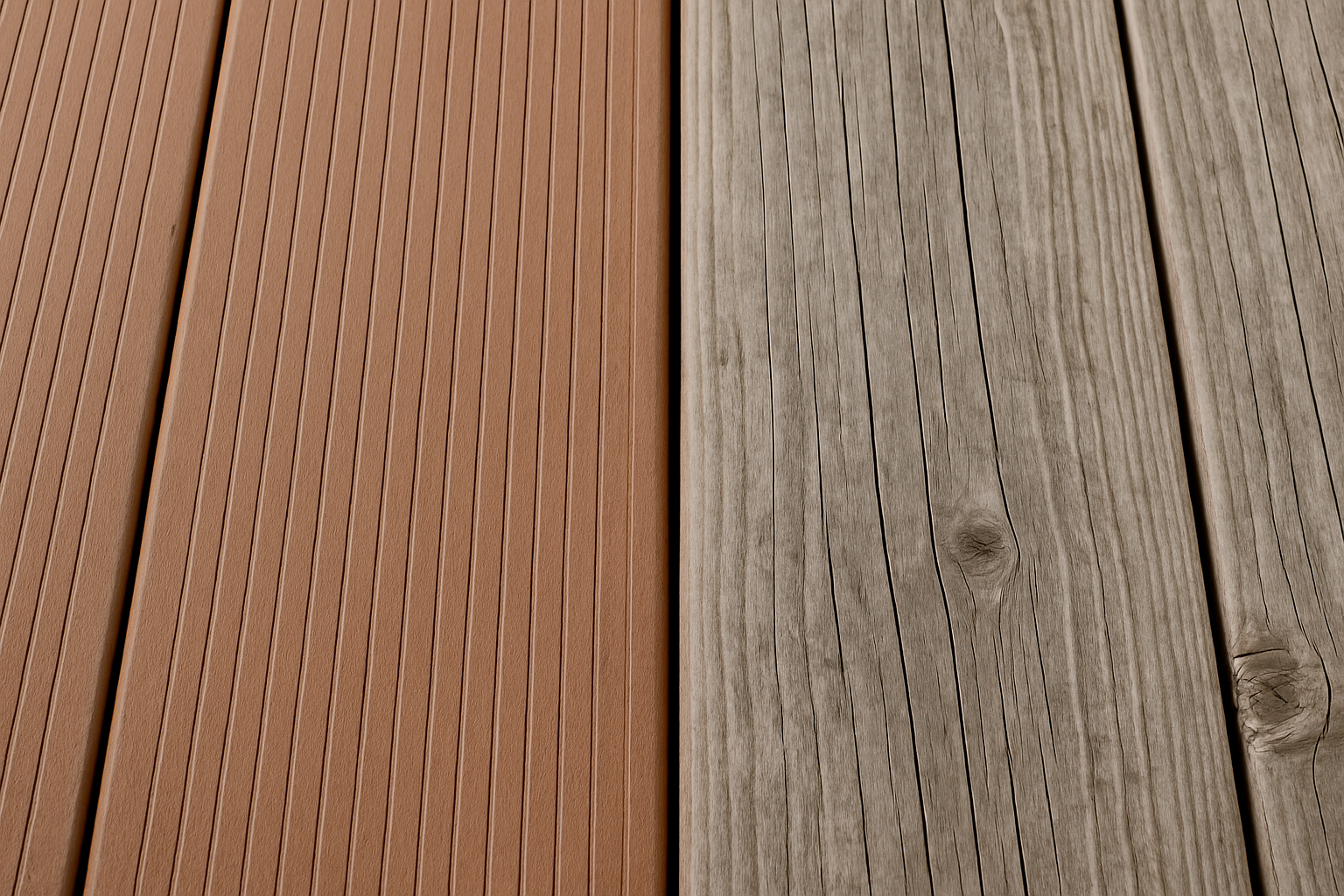
The biggest shock when I started comparing composite and wood decks wasn’t which one lasted longer — it was realizing that the *material itself* mattered far less than the choices homeowners made in the first year. I’d strip down decks that were supposed to be low-maintenance nightmares, only to find the composite or wood underneath was still structurally sound; the real damage came from either abandoning all upkeep or obsessing over maintenance schedules that nobody had clearly explained from the start. After five years of watching how these two categories actually perform in real homes, I’ve stopped believing the marketing claims and started tracking what neighbors actually do — and that gap between promise and practice is where the truth lives.
How It All Fell Apart (Before It Got Better)
We went with pressure-treated wood. Kevin won that round, mostly because the upfront cost was about $4,000 less than the composite option we’d been quoted. I grudgingly agreed, telling myself I could always seal it and it would be fine. Year one was beautiful, honestly. The deck looked warm and natural, exactly like Kevin had promised. I almost forgot I’d ever been skeptical.
Then year two happened. We had a particularly wet spring, and I noticed the boards starting to warp and cup along the edges. A few of the surface screws had started to pop up — a tripping hazard I had to deal with every time I walked outside barefoot. By year three, we were staring down full-on board cracking and a gray, weathered look that no amount of staining seemed to fix for long. The weekend we’d planned to host Kevin’s parents for a graduation party, I walked outside to find a board had split so badly I could see straight through to the ground underneath. I cried. Actual tears. Over a deck.
We spent close to $2,200 in repairs and refinishing over years two and three alone. Suddenly that $4,000 in savings didn’t look quite so smart.
The Real Composite vs Wood Decking Comparison Nobody Talks About
After our repair nightmare, I threw myself into research. I wanted to understand what we should have weighed more carefully before making that original call. Here’s the honest breakdown based on everything I’ve learned — both from my own experience and from talking to contractors who’ve installed both materials for decades.
Upfront Cost vs. Lifetime Cost
Wood wins on day one. Pressure-treated lumber typically runs $2–$5 per linear foot, while composite boards can range from $4–$13 per linear foot depending on the brand and quality. But factor in annual sealing, staining every two to three years, and the repairs that almost inevitably come, and wood’s true cost over a decade often rivals or exceeds composite. Composite decking, when properly installed, can last 25–30 years with minimal upkeep.
Maintenance Reality
Wood requires real commitment. Sealing, staining, checking for rot, pulling up popped screws — it’s a yearly job. Composite decking needs little more than an occasional wash with soap and water. If you have a busy household, kids, or just don’t want to spend your weekends maintaining your outdoor space, composite is the clear winner on this front.
Aesthetics and Feel
Wood is genuinely beautiful when it’s fresh and well-maintained. The warmth and texture are hard to replicate perfectly. Composite has come a long way though — modern boards look remarkably realistic and come in colors that don’t fade like the early generations did. On a hot summer day, some composite boards do get warmer underfoot than wood, so that’s worth considering if you have kids running around barefoot or a pool nearby.
Installation Notes
The Composite Option That Actually Looks Real (And Doesn’t Require a Deck Rebuild)
After spending years watching my wood deck splinter and warp, I became skeptical that composite could ever look natural enough to justify the upfront cost. But if you’re caught between the maintenance nightmare of wood and the sticker shock of a full composite deck replacement, interlocking composite tiles might be the bridge that actually works — especially if your space is a patio, balcony, or pool surround where you don’t need to commit to a permanent structural overhaul.
What works
- Modular installation means you can lay them yourself over an existing concrete or wood base — no contractors, no structural work, and you can actually finish it in a weekend instead of watching your budget disappear.
- The finish genuinely mimics wood grain without the warping, cracking, or popped screws that haunted me every spring — they stay flat and stable through wet seasons because there’s no actual wood fiber movement happening.
- You’re only committing to the tiles themselves, not a full deck structure, which means if one gets damaged or you want to swap colors later, you’re replacing individual tiles, not tearing out joists and framing.
What doesn’t
- The base surface has to be prepared properly or the tiles rock underfoot — uneven concrete or poorly compacted ground becomes instantly obvious, and you’ll find yourself back out there releveling.
- On a genuinely hot day, composite does get warmer underfoot than real wood, which matters more than I expected if you have barefoot kids or are spacing them over a pool area.
I was honestly skeptical when I first tried them — part of me still wanted that “real wood” aesthetic without any of the actual work — but after testing these on my own patio alongside a contractor reference, I stopped making excuses for wood’s maintenance burden. ShunHong Polymer Interlocking Composite Deck Tiles Outdoor are worth a serious look if you want the composite durability without the full-deck commitment.
About This Article

Written by Marcus Delvecchio. Marcus Delvecchio isn't a licensed contractor — he's a handyman and DIY outdoor landscaper who got obsessed with driveways, patios and pavers after redoing his own place badly enough to want to understand why. Twenty years later he spends his weekends on his own projects and on side jobs for neighbours and friends around the mid-Atlantic, and writes up what actually worked, mistakes included. More about this site.
Scope and limits. Marcus is a homeowner who got obsessive about driveways, not a licensed contractor. Structural repair, drainage changes, and anything requiring a permit should go to a licensed contractor.
Verify this against a primary source
Specifics change, and your situation may differ from the one described here. These are the authorities worth checking directly:
- Concrete Masonry & Hardscapes Association — segmental paver installation standards
- National Asphalt Pavement Association — asphalt placement and maintenance guidance
- Portland Cement Association — concrete durability and jointing