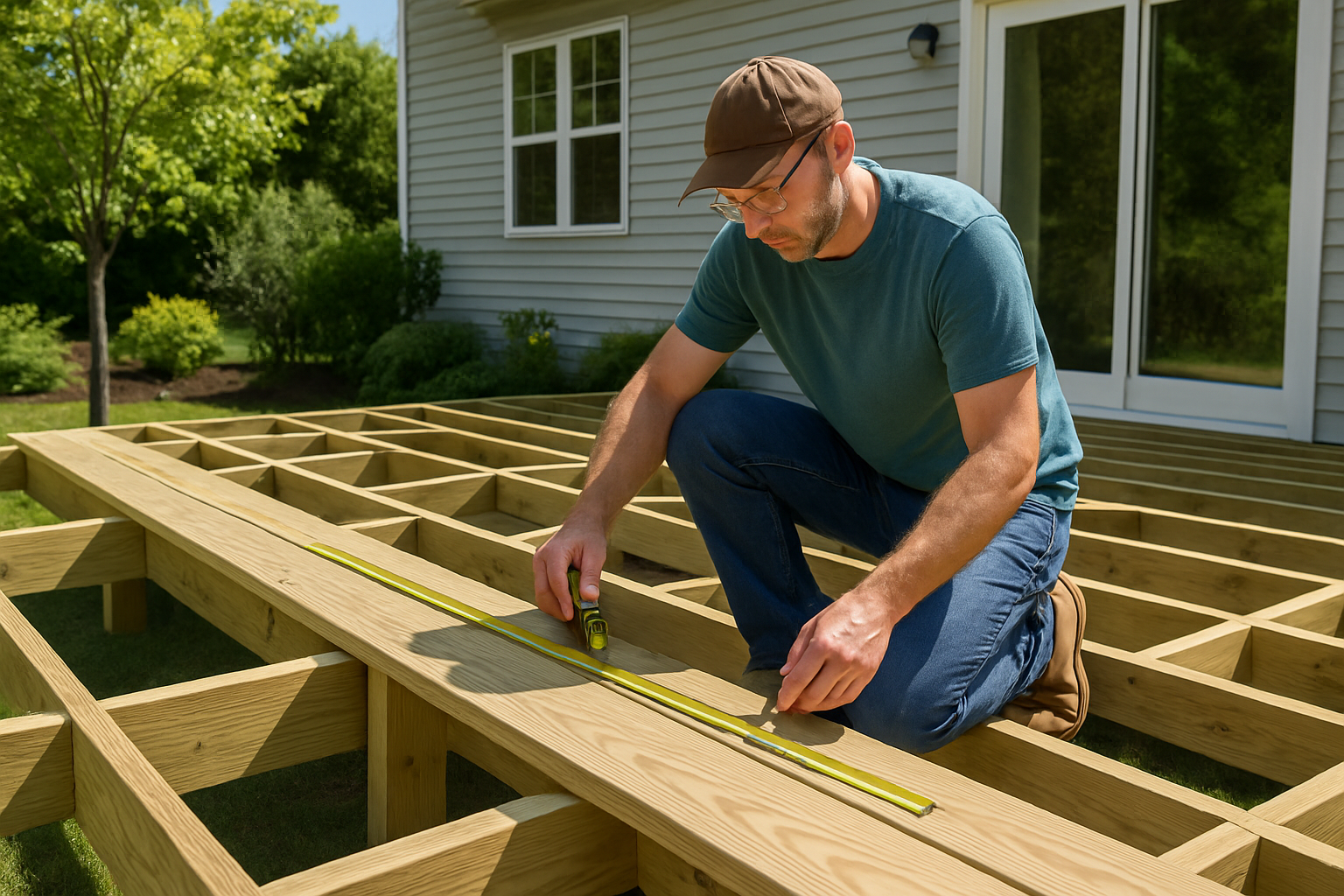
My backyard deck project started simple enough—just a 12-by-16 platform off the back door—until I dug the first post hole and hit a soggy mess of clay and standing water that no YouTube video had prepared me for. That’s when reality crashed into my carefully researched plan: the ground beneath my yard wasn’t cooperating with my timeline or budget, and suddenly all those confident DIY tutorials felt like they’d been filmed in some fairy-tale landscape where soil conditions actually cooperated and frost lines didn’t exist. What followed was a hard education in the gap between watching someone build a deck in perfect conditions and actually building one where your actual house, actual ground, and actual climate are calling all the shots.
Where the Wheels Came Off (Fast)
I made my first big mistake before I even bought a single board: I didn’t pull a permit. I know, I know. Every responsible guide tells you to do this. But I figured my deck was small — just 12×14 feet — and the neighbors weren’t going to care. What I didn’t count on was my homeowner’s insurance company doing a routine review and flagging the unpermitted structure. Long story short, I had to pause the entire project, pay a retroactive permit fee, schedule an inspection, and deal with the inspector requiring me to redo two of my footings because they weren’t deep enough for our frost line. That delay cost me three weeks and about $300 I hadn’t budgeted for. Lesson one: pull the permit. It protects your investment, your insurance, and your sanity.
Mistake number two happened during framing. I had my ledger board attached, my posts set, and my beam in place. Then came the joist hangers — those little metal brackets that hold your joists in position — and I genuinely underestimated how fiddly and time-consuming they would be. I was hand-holding each hanger, trying to nail it in at the right height, and I kept ending up slightly off-level. My joists were rocking. The framing looked like a wavy potato chip. My wife, to her credit, said nothing. But I could feel her concern from inside the house.
The Jig That Stopped Me From Crooked Hangers (And Saved Hours of Rework)
Joist hangers are non-negotiable for structural integrity, but hand-installing them straight is where most DIYers lose time and confidence. A crooked hanger isn’t just sloppy—it throws off your entire frame, and YouTube won’t warn you until you’re already three boards in.
What works
- Eliminates the guesswork of alignment—hangers seat square every time without fiddling or eye-balling, which cuts your per-hanger installation time by half.
- Catches the common mistake of seating hangers too shallow, which is exactly the kind of hidden flaw that inspectors flag and homeowners don’t discover until the deck shifts.
- Works across multiple hanger sizes in one session, so you’re not swapping tools or making separate trips for different joist dimensions.
What doesn’t
- Adds one more tool to your kit—not a dealbreaker, but it’s another thing to learn the feel of before you’re confident with it.
- Doesn’t speed up fastener driving itself, so if you’re not efficient with your drill, the jig won’t make up the difference in overall project time.
I was halfway through my first deck’s rim board when I realized my hangers weren’t seating flush—a moment of panic that could’ve cost me a complete teardown. That’s when I grabbed a Hang Em Fast Joist Hanger Installation Jig, and it turned what could’ve been a budget-killing mistake into a quick correction.
About This Article

Written by Marcus Delvecchio. Marcus Delvecchio isn't a licensed contractor — he's a handyman and DIY outdoor landscaper who got obsessed with driveways, patios and pavers after redoing his own place badly enough to want to understand why. Twenty years later he spends his weekends on his own projects and on side jobs for neighbours and friends around the mid-Atlantic, and writes up what actually worked, mistakes included. More about this site.
Scope and limits. Marcus is a homeowner who got obsessive about driveways, not a licensed contractor. Structural repair, drainage changes, and anything requiring a permit should go to a licensed contractor.
Verify this against a primary source
Specifics change, and your situation may differ from the one described here. These are the authorities worth checking directly:
- Concrete Masonry & Hardscapes Association — segmental paver installation standards
- National Asphalt Pavement Association — asphalt placement and maintenance guidance
- Portland Cement Association — concrete durability and jointing