- Bricks & Exterior Surfaces All Purpose Concrete Sealer (1 Gallon) — great for walkways and smaller areas
- Rain Guard Concrete Sealer (5 Gallon, Ready to Use) — best for full driveways, natural finish, excellent water and salt
This post contains affiliate links. As an Amazon Associate, I earn from qualifying purchases.
In fifteen years of installing pavers, patios, and outdoor hardscape professionally, the call I dread most is the “we tried to DIY it and now we need someone to fix it” call — not because the work is hard, but because fixing someone else’s mistakes is always more expensive than doing it right the first time. That said, a concrete driveway refresh is one of the few projects where a motivated homeowner can genuinely get it right on a weekend, provided they understand what the trade actually recommends — not what the guy at the rental counter tells them to do. I’ve watched clients spend thousands having us redo work they botched with the wrong products, wrong prep, or wrong sequence, and almost every time, the information they needed was simple — it just wasn’t coming from someone who’d done it professionally. So consider this post that source: straight trade experience, applied to a project you can realistically tackle yourself, with results that won’t have your neighbors doing a double-take for the wrong reasons.
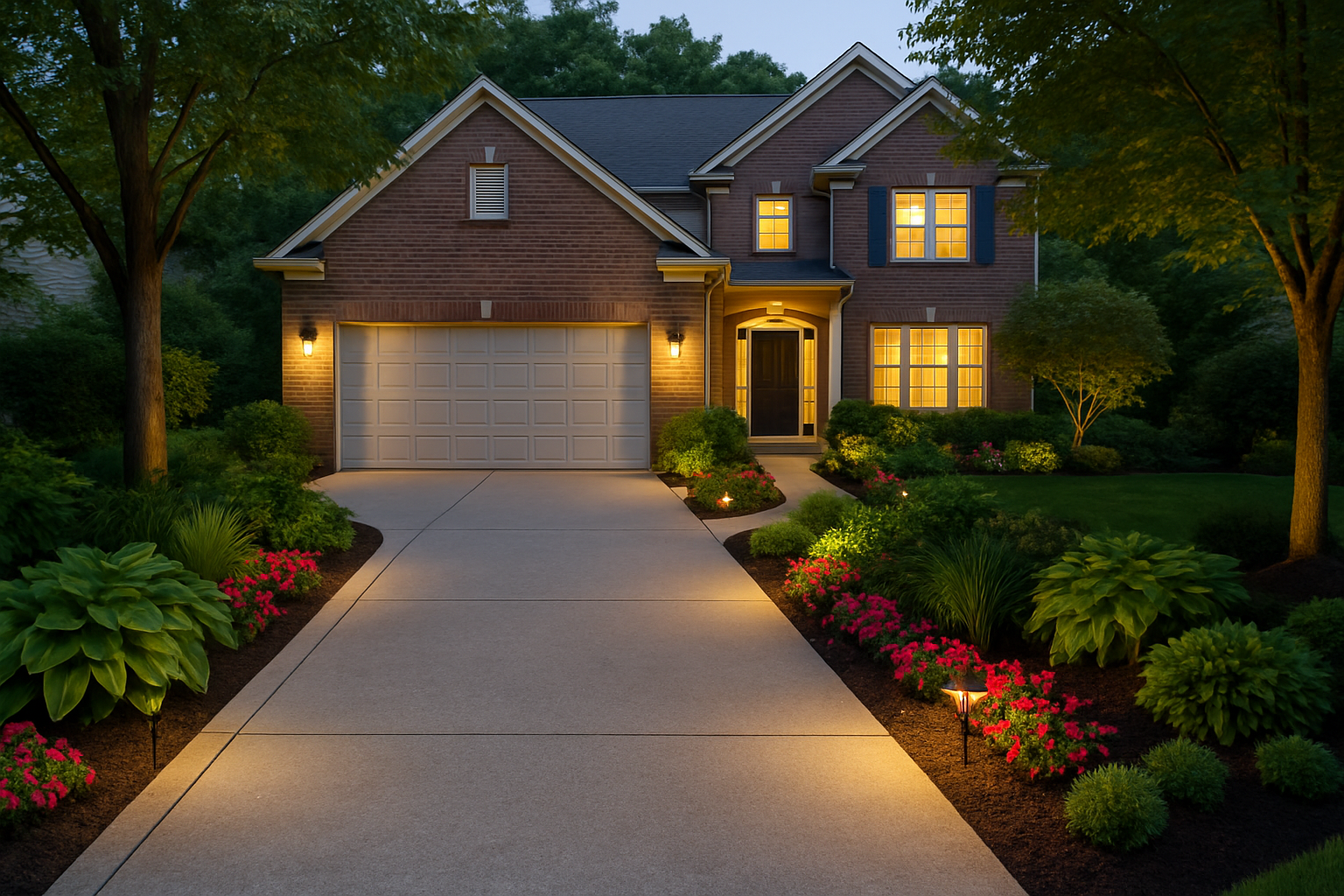
The driveway wasn’t always a disaster. But years of neglect, freeze-thaw cycles, and one deeply regrettable attempt at pressure washing with a borrowed machine I clearly did not know how to operate had left it stained, cracked at the edges, and fringed with the saddest, most uneven grass border you’ve ever seen. It looked like the driveway was slowly being eaten by the lawn. I had to do something.
How I Accidentally Made Things Worse Before Making Them Better
Here’s the part where I have to come clean. My original plan was simple: clean it, seal it, edge it, done. Easy weekend project. I even made a little checklist. Very responsible of me.
What I did not account for was my own overconfidence with a garden hose nozzle. I decided to pre-rinse the driveway to loosen up some of the surface grime before applying sealer. Except I had the nozzle set to “jet” instead of “fan,” and I hit a patch of old crack filler so hard it launched a chunk of it directly into my shin and ricocheted into a pot of geraniums my wife had just replanted. The geraniums did not survive. I did, barely, but only after a very thorough explanation of what happened and a solemn promise that new geraniums would be purchased before sundown.
The good news: once the driveway was actually clean and my shin had stopped throbbing, I was ready to do this right. And reader, it turned out great.
The Real Strategy to Improve Concrete Driveway Curb Appeal on a Budget
Here’s what I learned after a weekend of actual effort (and one geranium-related incident): improving your driveway’s curb appeal comes down to three things — cleaning the surface properly, sealing it for protection and a fresh look, and defining the edges so everything looks intentional and tidy. You don’t need to tear anything out or hire a contractor. You need a clear process and the right products.
Step 1: Clean It Thoroughly
Before you do anything else, the concrete needs to be genuinely clean — not “I ran the hose over it” clean, but scrubbed, degreased, and fully dried. Use a concrete degreaser or a TSP substitute on any oil stains. Let it dry completely, ideally overnight. This step is not exciting, but skipping it is the number one reason sealers fail and peel. Don’t skip it. Trust me. I almost skipped it and my wife gave me a look that changed my mind instantly.
Step 2: Seal the Concrete
A penetrating sealer is the move for driveways. Unlike film-forming sealers that sit on top and can peel or get slippery, a penetrating silane-siloxane sealer soaks into the concrete and protects it from water intrusion, salt damage, and freeze-thaw cracking — all while keeping that natural look. You won’t believe the difference it makes. The concrete looks cleaner, darker in the best way, and just more put-together.
For smaller driveways or spot treatments, the Bricks & Exterior Surfaces All Purpose Concrete Sealer is a solid all-around option — long-lasting, handles all weather, and works on driveways, patios, and pavers. I used this one on my side walkway and the results were noticeably better after the first rain.
For a full two-car driveway, you’ll want more coverage. The Rain Guard Concrete Sealer in the 5-gallon size is ready to use right out of the container — no mixing, no diluting — and it delivers deep penetrating protection against water and salt damage. It dries to a natural finish, so your driveway doesn’t end up looking plasticky or shiny in a weird way.
If you have pets or kids, the water-based silane siloxane sealer in the 1-gallon size is worth a look. It’s spray-safe for pets and plants, which honestly would have saved me the geranium situation if I’d been using it differently. It works on driveways, patios, masonry, and garage floors.
Step 3: Define the Edges
This is the step most people skip, and it’s honestly the one that makes the biggest visual difference. A clean, defined edge between your driveway and your lawn or garden beds makes the whole thing look deliberate and polished. Without it, even a freshly sealed driveway can still look a little rough.
I used the 40″x10″ galvanized steel metal landscape edging along my driveway border. Six pieces, 20 feet total, rustproof, and it hammers right in. It gives a clean, modern look and keeps the grass from creeping back onto the concrete. If you prefer something more flexible for curved edges, the Hugeleaf flexible plastic lawn edging comes in 50 feet with 60 stakes included and bends easily around curves and garden beds. I used both — steel on the straight stretches, plastic on the curved flower bed section near the garage.
What I Used — My Recommended Products
- Bricks & Exterior Surfaces All Purpose Concrete Sealer (1 Gallon) — great for walkways and smaller areas
- Rain Guard Concrete Sealer (5 Gallon, Ready to Use) — best for full driveways, natural finish, excellent water and salt