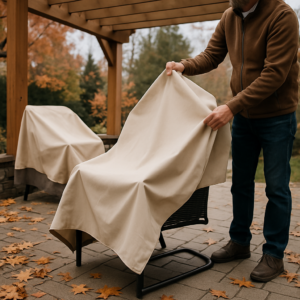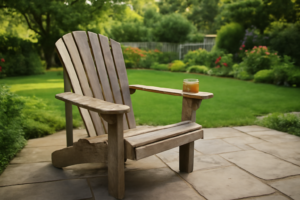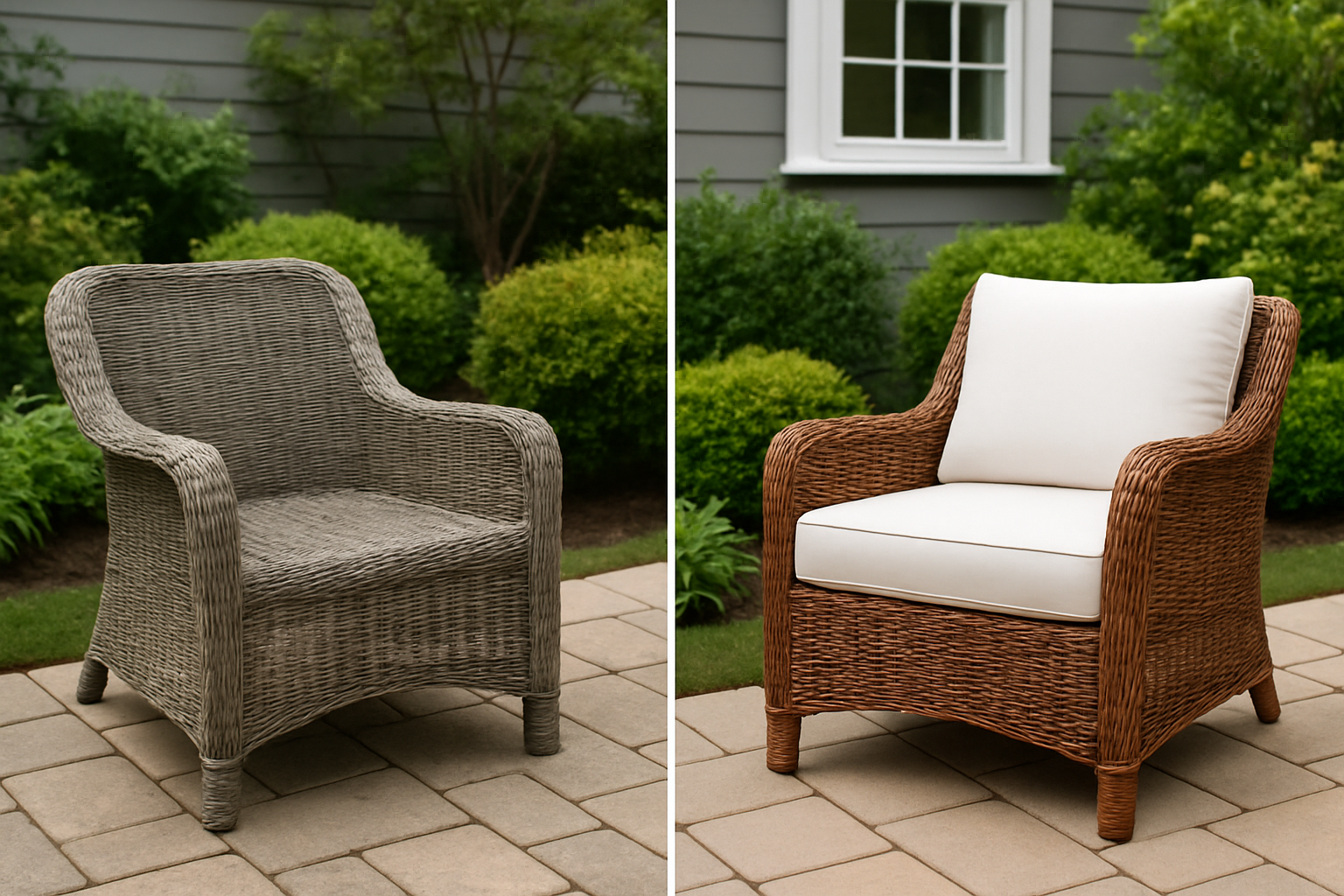
What caught me off guard when I first started tackling outdoor spaces was how drastically resin wicker deteriorates compared to other patio materials—and how little most people understand about why it happens or what actually reverses it. I’d inherited a set of weathered chairs from a client’s estate sale thinking I could power wash them back to life, only to discover that approach made everything worse, leaving me with brittle, permanently damaged pieces and a hard lesson about the difference between cleaning and restoration. Over the years, I’ve learned that bringing aged resin wicker furniture back from that grey, chalky, sun-beaten state requires a completely different strategy than what most DIYers attempt, and it’s one I’m sharing here because I’ve made nearly every mistake so you won’t have to.
Assessing the Damage: What You’re Actually Working With
My resin wicker set — two chairs and a loveseat — had seen better decades. The weave had gone from a rich espresso brown to a kind of sad, sun-bleached gray. There was green algae creeping along the bottom runners, a fine layer of grime packed into every little wicker crevice, and I’m pretty sure a spider family had filed a homestead claim on the left armrest. Sound familiar? If your furniture has been sitting outside for more than a couple of seasons, this is completely normal. Resin wicker is incredibly durable, but UV exposure, moisture, and general outdoor life will absolutely take their toll on the color and surface finish.
Before you buy a single product or pick up a brush, take a few minutes to really look at what you’ve got. Check for cracked or broken strands in the weave — minor ones can be glued down, but large sections of unraveling may need a deeper repair or replacement. Inspect the frame underneath, usually aluminum or steel, for rust or bending. And wiggle the joints. If the whole thing feels structurally sound and it’s just dirty and faded, congratulations — you have a great weekend project ahead of you.
Step-by-Step: How to Clean and Restore Resin Wicker Patio Furniture
Step 1: Deep Cleaning First — Always
The Cleaner That Actually Cuts Through Years of Grime Without Stripping the Resin
The biggest mistake I see people make is attacking sun-damaged wicker with a pressure washer or harsh chemical stripper—you’ll destroy the finish faster than the sun already has. You need a cleaner specifically formulated for resin that lifts embedded grime and algae without compromising the material’s integrity.
What works
- Cuts through packed-in grime and green algae in the weave crevices without requiring aggressive scrubbing that can fray or crack brittle resin strands
- Safe enough to use on the aluminum or steel frame underneath without causing rust acceleration or etching
- Dries completely transparent with no residue, so you can immediately assess the actual color and condition of the wicker before moving to restoration steps
What doesn’t
- Won’t restore faded or chalky color on its own—it cleans the surface, but sun damage that’s baked into the resin still needs a topcoat or paint to restore original appearance
- Requires patience and proper drying time between application and inspection; rushing to paint over damp residue will show later as adhesion problems
I almost skipped the deep clean on my set because the sun damage looked so bad I thought the wicker was permanently compromised, but once that grime lifted away, I realized the actual structural color was much better than I thought—it completely changed my restoration strategy. Get the CLR Brands Outdoor Furniture Cleaner, 26 oz. and use it as your true first step before any other product touches the furniture.
About This Article

Written by Marcus Delvecchio. Marcus Delvecchio isn't a licensed contractor — he's a handyman and DIY outdoor landscaper who got obsessed with driveways, patios and pavers after redoing his own place badly enough to want to understand why. Twenty years later he spends his weekends on his own projects and on side jobs for neighbours and friends around the mid-Atlantic, and writes up what actually worked, mistakes included. More about this site.
Scope and limits. Marcus is a homeowner who got obsessive about driveways, not a licensed contractor. Structural repair, drainage changes, and anything requiring a permit should go to a licensed contractor.
Verify this against a primary source
Specifics change, and your situation may differ from the one described here. These are the authorities worth checking directly:
- Concrete Masonry & Hardscapes Association — segmental paver installation standards
- National Asphalt Pavement Association — asphalt placement and maintenance guidance
- Portland Cement Association — concrete durability and jointing