This post contains affiliate links. As an Amazon Associate, I earn from qualifying purchases.
After installing north of 400 patios and driveways, I can read a job within thirty seconds of walking onto a property. The grout lines, the edge cuts, how level it sits — all of it tells me whether a professional touched it or whether the homeowner watched a few tutorials and got confident on a Saturday morning. Mulching is no different. I’ve shown up to quote hardscape work and walked past front yards where the mulch was piled against the house siding, heaped six inches deep around tree trunks, or laid straight onto weeds with zero prep — and in every case, the homeowner thought they’d done a solid job because it looked fine for about three weeks. What I’m sharing here comes from watching hundreds of properties up close, and if you’re going to spend an afternoon improving your curb appeal, it’s worth doing it the way that actually holds up.
Here’s the thing though — once I dusted myself off, watched approximately forty-five minutes of tutorial videos, and actually did the project the right way, the results were genuinely stunning. My front yard went from “tired and forgettable” to “did you hire someone?” in a single afternoon. So let me save you from the hydrangea faceplant and walk you through exactly what I learned.
Why Mulching Your Front Yard for Curb Appeal Actually Works
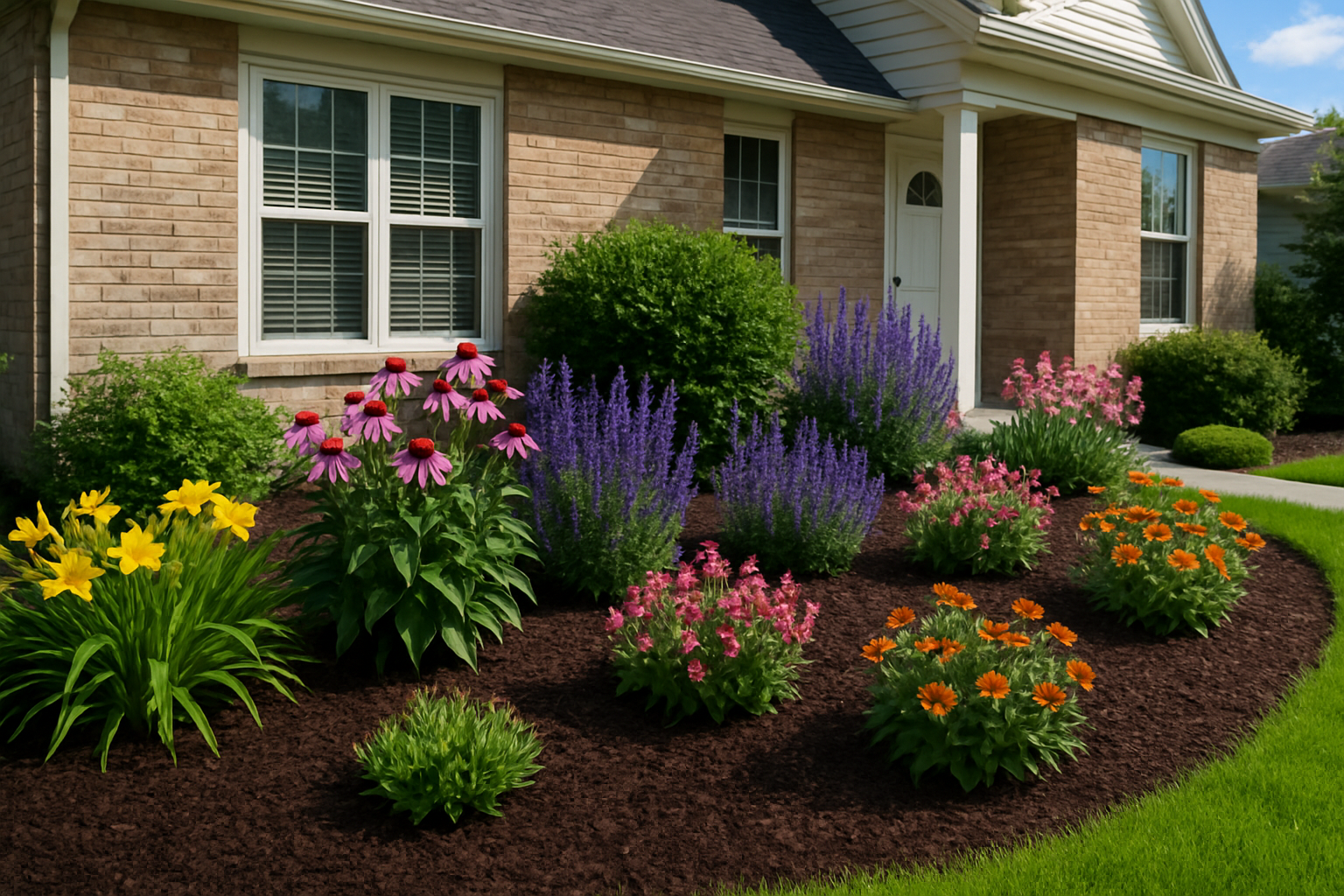
Mulch is one of those landscaping upgrades that looks like it took significant effort but is genuinely achievable in a weekend — or yes, a single afternoon if you plan ahead. A fresh layer of mulch does several things at once: it defines your flower beds, creates a clean visual contrast against your lawn and plants, suppresses weeds (huge bonus), and retains moisture in the soil. From the street, even a modest front yard with well-mulched beds looks intentional and polished. It signals that someone cares about this home.
The transformation is partly psychological. Clean edges and uniform ground cover draw the eye in an organized way. Mess and bare dirt do the opposite. Mulch essentially gives your landscaping a visual framework, and it works whether you have elaborate flower beds or just a strip of shrubs along your foundation.
What to Do Before You Spread a Single Piece of Mulch
This is where I went wrong the first time. I skipped basically every prep step and paid for it with my dignity. Here’s the correct order of operations:
1. Edge Your Beds First
Nothing ruins a fresh mulch job faster than blurry, undefined edges. Use a flat spade or a dedicated edging tool to create a clean border between your lawn and your mulched beds. Then, install metal landscape edging to hold that definition in place for the long haul. I use the 33ft. Galvanized Steel Landscape Edging 10-Pack — the hammer-in stakes make installation straightforward, and the steel holds a crisp, clean line through every season. For tighter curves and more ornamental beds, I’ve also had great results with the LAVEVE Galvanized Steel Black Landscape Edging, which includes clips for connecting sections smoothly.
2. Lay a Weed Barrier
Skipping this step is the single biggest mistake DIYers make. A weed barrier under your mulch dramatically reduces maintenance throughout the season and keeps your beds looking fresh longer. My two go-to options depending on the area:
- For walkways and pathways, I love the VEVOR Rubber Mulch Mat Roll — it’s cuttable, durable, and gives a natural-looking finish that holds up beautifully over time.
- For planting beds, the 2Pcs Recycled Felt Mulch Mat Roll is a fantastic reusable fabric option — it’s sturdy, breathable enough for plant roots, and works double duty as a weed barrier and bed liner.
3. Choose the Right Mulch for Your Situation
Traditional wood mulch is the classic choice and works beautifully for flower beds — aim for a 2 to 3 inch depth, no more. Pull it slightly away from plant stems and your home’s foundation to prevent moisture buildup. For high-traffic areas, around play spaces, or anywhere you want a permanent low-maintenance solution, rubber mulch is worth serious consideration. The Be Eco Wise Premium Grade Nugget Rubber Mulch is 100% wire-free, safe for kids and pets, and holds its color far longer than organic mulch. It doesn’t break down, doesn’t float away in heavy rain, and requires almost zero maintenance year after year.
What I Used: My Recommended Products
- VEVOR Rubber Mulch Mat Roll — Ideal for pathways and walkways, cuttable and weed-suppressing
- Be Eco Wise Premium Rubber Mulch Nuggets — Long-lasting, safe, and low maintenance for beds and play areas
- Recycled Felt Mulch Mat Roll — Reusable fabric weed barrier for planting beds
- 33ft. Galvanized Steel Landscape Edging 10-Pack — Clean, permanent border definition with hammer-in stakes
- LAVEVE Galvanized Steel Black Landscape Edging — Great for curved beds and ornamental borders