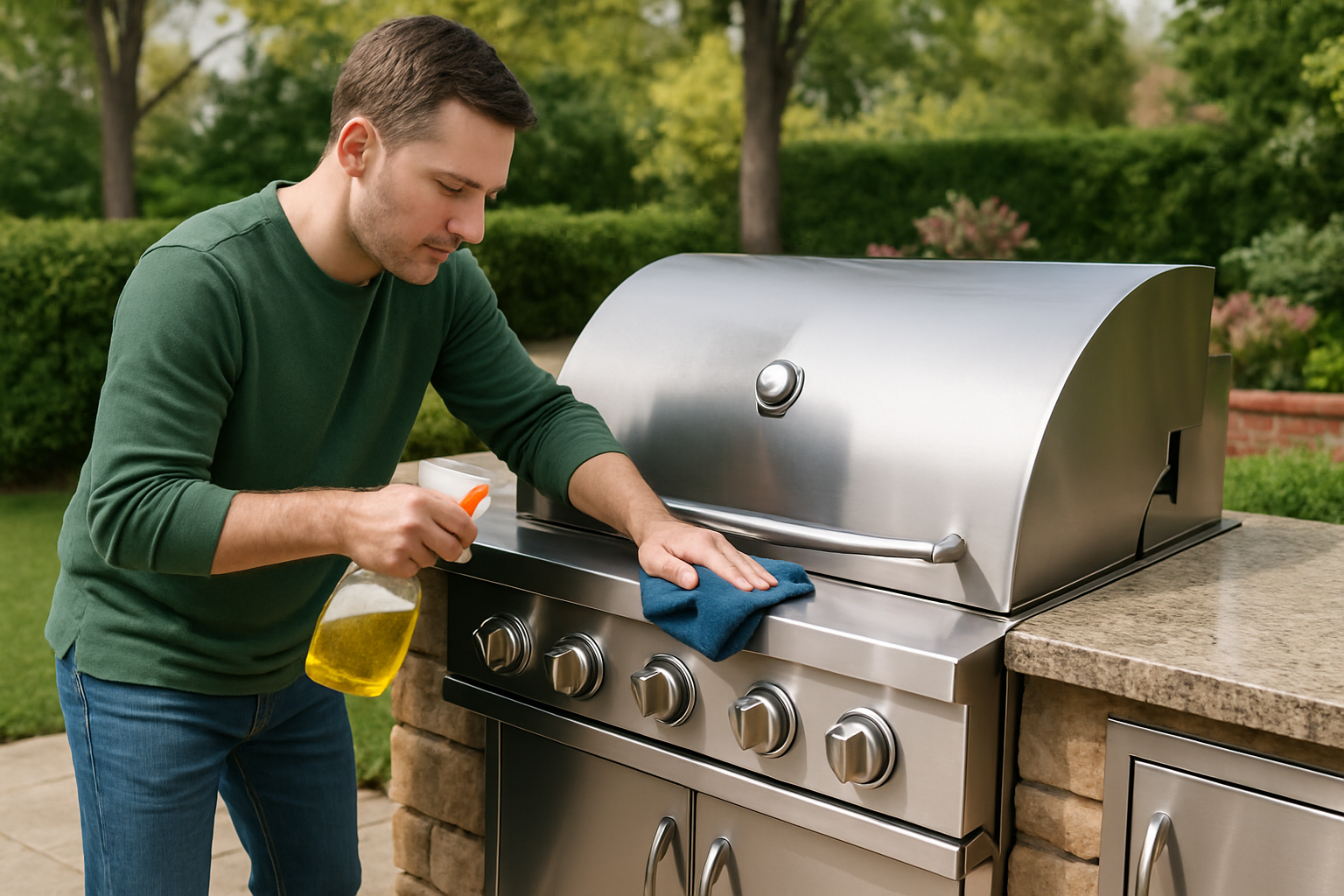
I learned the hard way that my shiny new outdoor kitchen was basically a rust magnet—it took exactly one neglected season of grease buildup and moisture sitting in the crevices before I was staring down the barrel of replacing a $2,000 grill that should’ve lasted a decade. Standing there with a wire brush in hand, scrubbing away months of oxidized metal and stubborn residue, I realized that the difference between a kitchen that weathers years of heavy use and one that deteriorates after a single summer isn’t about buying premium materials or fancy covers—it’s about understanding the rhythm of maintenance that actually keeps these things alive. Now, after running through every cleaning approach and protective strategy in my own backyard, I’ve figured out exactly what works.
That embarrassing moment turned into the best thing that ever happened to my outdoor kitchen. Because it pushed me to finally build a real cleaning routine — one that I’ve now followed for a full season with zero rust, zero greasy buildup, and zero judgmental comments from family members. I want to share exactly what I did, what products made the biggest difference, and how you can avoid the headache I went through.
What I Was Doing Wrong (And Why It Got So Bad)
Honestly? I was doing almost nothing. I’d wipe down the grill lid after cooking if I remembered, maybe hit the grates with a brush once a week, and call it done. What I didn’t understand is that outdoor kitchens face a completely different level of exposure than your indoor kitchen. You’ve got grease, smoke residue, pollen, moisture, and UV rays all working against you at the same time. Stainless steel is durable, but it is absolutely not maintenance-free — especially in humid climates.
The rust I was seeing wasn’t even coming from the stainless itself, most of the time. It was surface rust caused by iron particles from the air, steel wool I’d used once to scrub a stubborn spot (huge mistake), and outdoor debris that had been sitting in moisture against the panels. Once I understood what was actually happening, fixing it felt much more manageable.
My Outdoor Kitchen Maintenance Cleaning Routine — Step by Step
I broke my routine into two tiers: a quick weekly clean and a deeper monthly session. Here’s how each one works.
After Every Cook: The 5-Minute Reset
The Cleaner That Finally Stopped Surface Rust Before It Started
Surface rust was my biggest enemy — iron particles from the air settling into moisture on the stainless steel panels, turning what should be a showpiece into an eyesore. Once I realized the rust wasn’t a failure of the stainless itself but a lack of protection, I needed a product that could both clean away the damage and actually prevent it from coming back.
What works
- Cuts through months of oxidation and grime without harsh scrubbing — I’ve watched rust spots vanish in one application without reaching for steel wool or aggressive abrasives.
- The protectant layer actually holds up through rain and humidity — after a full season of weekly applications, I’m not seeing new surface rust forming the way I did with other cleaners that just washed off.
- Works as both a monthly deep clean and a touchup between deep sessions — I can use it quickly after a heavy cook or spend time on a weekend deep restore without switching products.
What doesn’t
- The smell is industrial-strength and lingers — if your outdoor kitchen is close to where you’re entertaining, plan to use it before guests arrive or on a breezy day.
- Overkill for a quick weekly fingerprint wipe — I use the lighter Zep cleaner for those five-minute touch-ups because this one is heavier than you need for maintenance spray-downs.
I’ll admit, the first time I sprayed this on a rust spot that looked permanent, I half-expected it to just sit there and make the stainless smell bad — that’s how burned I was from other products. But watching that oxidation actually lift and then stay gone for weeks convinced me this was the real difference-maker. If you’re dealing with outdoor kitchen panels that have started to show rust, grab the Bayes High-Performance Stainless Steel Cleaner and Protectant and work through your panels systematically.
About This Article

Written by Marcus Delvecchio. Marcus Delvecchio isn't a licensed contractor — he's a handyman and DIY outdoor landscaper who got obsessed with driveways, patios and pavers after redoing his own place badly enough to want to understand why. Twenty years later he spends his weekends on his own projects and on side jobs for neighbours and friends around the mid-Atlantic, and writes up what actually worked, mistakes included. More about this site.
Scope and limits. Marcus is a homeowner who got obsessive about driveways, not a licensed contractor. Structural repair, drainage changes, and anything requiring a permit should go to a licensed contractor.
Verify this against a primary source
Specifics change, and your situation may differ from the one described here. These are the authorities worth checking directly:
- Concrete Masonry & Hardscapes Association — segmental paver installation standards
- National Asphalt Pavement Association — asphalt placement and maintenance guidance
- Portland Cement Association — concrete durability and jointing