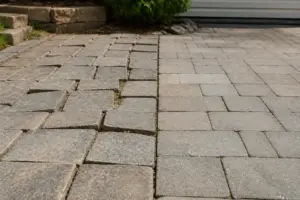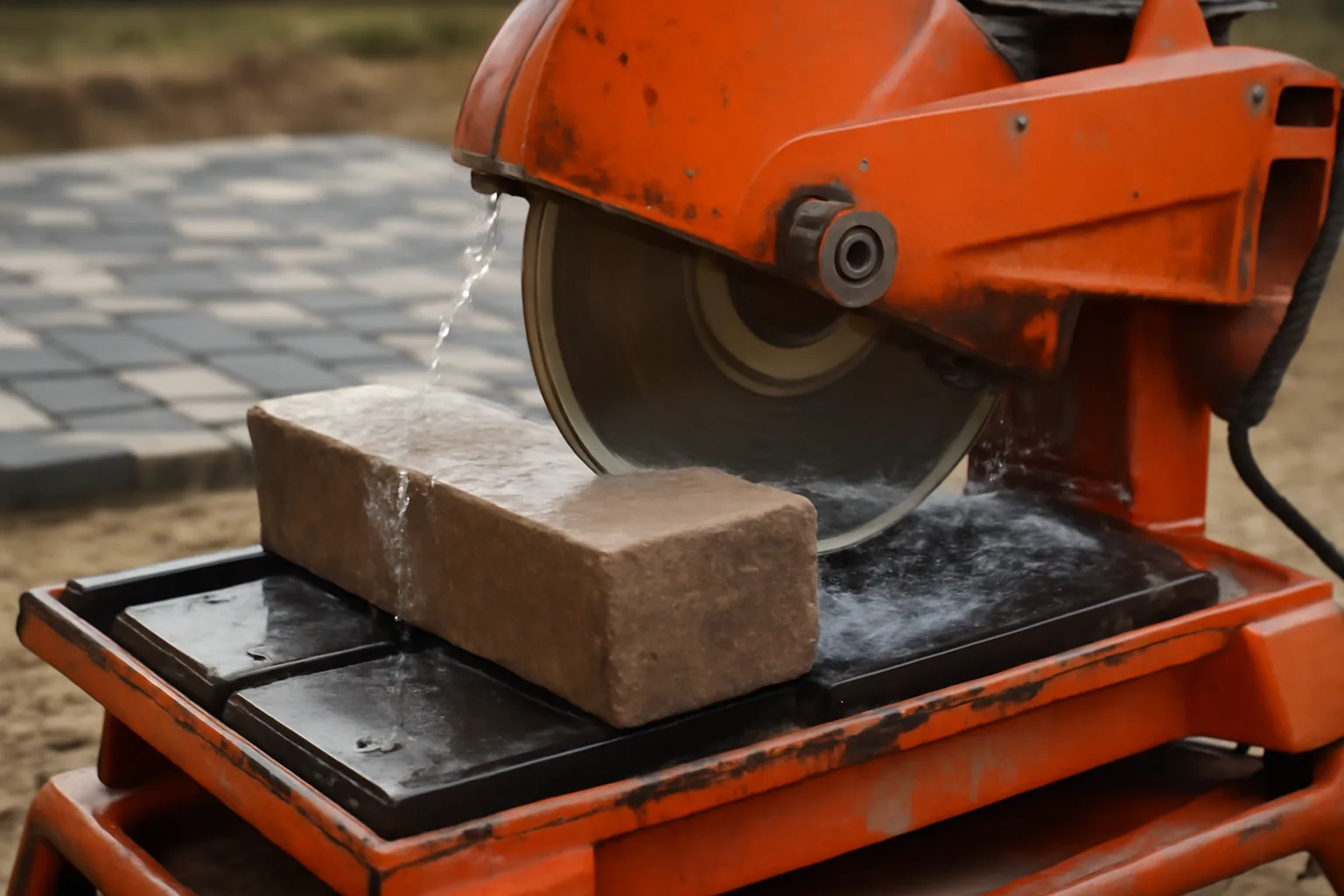
Last spring, I decided to tackle a 420-square-foot patio extension in my backyard. I had the base compacted, the sand screeded, and about 300 concrete pavers stacked and ready to go. Then reality hit me hard during wet saw paver cutting: my old angle grinder with a diamond blade was turning every single cut into a smoky, cracked disaster. Three pavers shattered on day one. Two more chipped so badly they were unusable. I was burning through materials and patience at the same rate.
I’d done plenty of hardscaping over the years — retaining walls, garden borders, a flagstone walkway — but this project demanded precision I couldn’t fake. The patio included two angled corners and a curved border section. Every miscut cost me about $4.50 per paver and another 20 minutes of frustration. Something had to change, and it had to change fast.
That’s when I started seriously researching wet saws. What followed was a two-week deep dive into forums, YouTube channels, and a long conversation with a local hardscaping contractor named Marcus, who has been laying pavers professionally for over 20 years. His advice was blunt: “Stop wasting time. Rent a real wet saw or you’re going to hate the back half of that project.”
The Wet Saw That Stopped My Pavers from Shattering Mid-Cut
When you’re cutting 300+ pavers by hand with an angle grinder, every crack and chip feels like money wasted and time lost. A wet saw isn’t just a tool upgrade—it’s the difference between a patio that looks professionally finished and one littered with unusable fragments.
What works
- The water table keeps dust down to almost nothing and cools the blade continuously, which means clean crosscuts and angle cuts without the smoke and heat stress that cause pavers to crack.
- The 10-inch diamond blade slices through concrete pavers smoothly in a single pass—no chattering, no binding, no need to force it or make multiple scoring passes.
- The adjustable fence and miter guide let you hold pavers steady and square, which eliminates the wobble that causes chipping and makes angled cuts repeatable and predictable.
What doesn’t
- It takes up real footprint on a patio—you need a flat, level spot to set it up safely, and moving it between cuts adds friction if your work area is cramped or sloped.
- The learning curve is steeper than an angle grinder; pushing a heavy paver into a spinning blade requires respect and attention, and a rushed or careless cut can still bind or break material.
I’ll admit I was nervous the first time I fed a full-sized paver into that blade—the sound is loud and confident in a way that made me second-guess whether I was doing it right. But the moment I pulled out my first perfectly clean, chip-free cut, I knew I’d made the right call. Rent or buy the DEWALT Wet Tile Saw with Stand, 10-Inch, Corded (D24000S) and save yourself the heartbreak.
About This Article

Written by Marcus Delvecchio. Marcus Delvecchio isn't a licensed contractor — he's a handyman and DIY outdoor landscaper who got obsessed with driveways, patios and pavers after redoing his own place badly enough to want to understand why. Twenty years later he spends his weekends on his own projects and on side jobs for neighbours and friends around the mid-Atlantic, and writes up what actually worked, mistakes included. More about this site.
Scope and limits. Marcus is a homeowner who got obsessive about driveways, not a licensed contractor. Structural repair, drainage changes, and anything requiring a permit should go to a licensed contractor.
Verify this against a primary source
Specifics change, and your situation may differ from the one described here. These are the authorities worth checking directly:
- Concrete Masonry & Hardscapes Association — segmental paver installation standards
- National Asphalt Pavement Association — asphalt placement and maintenance guidance
- Portland Cement Association — concrete durability and jointing