I’ve talked at least a hundred homeowners out of the wrong pergola choice after they’d already committed to it—sometimes mid-order, sometimes standing in their backyard staring at a structure that wasn’t what they imagined—and nearly every time the regret traces back to the same miscalculation: underestimating how permanent this decision actually is. Unlike most outdoor upgrades where you can pivot or evolve your setup as tastes change, committing to an open-frame kit versus a hardtop kit is essentially locking in your vision for a decade, because swapping one for the other later means either accepting what doesn’t work or investing in a second structure entirely. I’ve watched enough people live with buyer’s remorse on this particular choice that I’ve stopped letting clients decide based on aesthetics alone—and that’s what I want to walk you through before you place that order.
The Decision That Actually Costs You Money: Open-Frame or Hardtop?
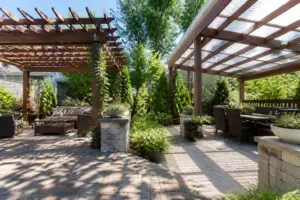
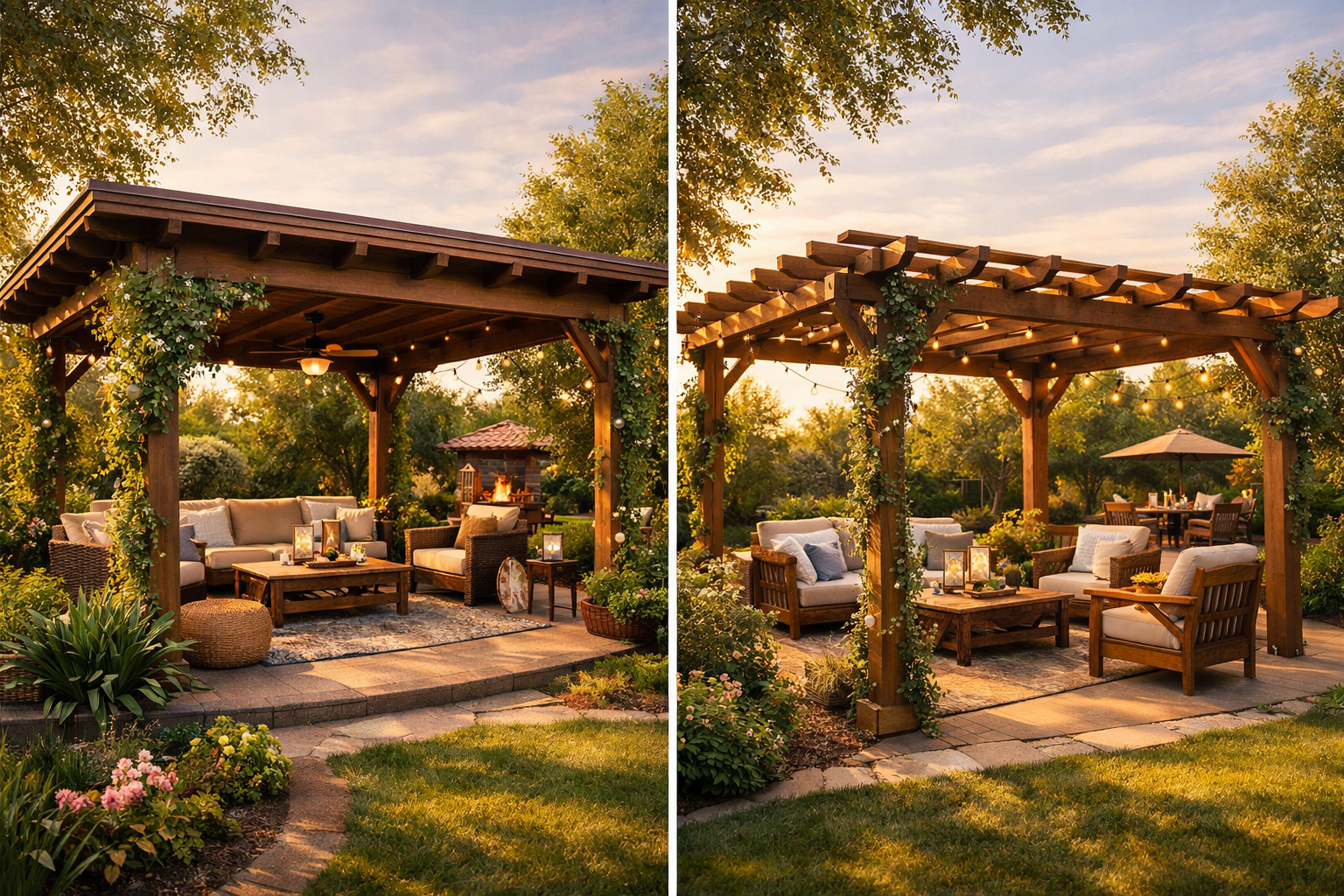
Quick definitions so we’re working from the same page: an open-frame kit ships with slatted rafters or beams — light and air move through freely, rain does not stay out, and the structure reads as airy and architectural. A hardtop or fully covered kit ships with a solid or semi-solid roof already engineered into the frame — polycarbonate, aluminum panel, or shingled — built to shed rain and block sun completely from day one. If you already own an open pergola and are just weighing whether to add a partial roof cover to it, that’s a different question with different math (and a different post entirely). This one is about which complete structure to buy in the first place, before a single post goes in the ground.
Why You Can’t Just “Upgrade” an Open Kit to a Hardtop Later
This is the part most buying guides skip, and it’s the part that actually matters. Most residential open-frame kits — wood or aluminum — are engineered to hold their own slatted rafters and not much else. A solid roof adds real dead load: wind uplift, snow load in some climates, and the weight of the panels themselves. Retrofitting a genuine hardtop roof onto a kit that wasn’t designed for one usually means reinforcing posts and footings, not just bolting panels overhead — and once you add up materials and labor, it’s typically cheaper to buy a kit engineered for a solid roof from the start than to retrofit an open one after the fact. (Lighter add-ons like shade cloth, or a season of clear polycarbonate panels run between the existing rafters of a heavy-gauge frame, are a separate and legitimate midway option — just not a full structural roof swap.) I’ve had clients ask me to convert an open kit into a covered structure two summers in, and the honest answer is almost always: it’s cheaper to buy the hardtop kit you actually wanted and repurpose the open one somewhere else in the yard than to fight the engineering.
The Open-Frame Kit I’d Buy — If You’re Sure You Want Open
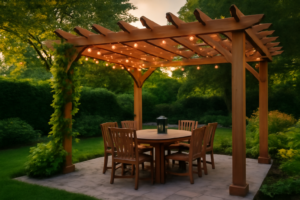
If you’ve read the above and you’re still confident you want the open, airy look — climbing vines, dappled shade, a structure that won’t ever trap water against your patio — this is the kit I’ve installed most often and would put over my own patio. Just go in knowing this is the structure you’re committing to, not a starter version of a hardtop you’ll finish later.
What works
- The cedar is pre-cut and sanded—no two-week project just getting the wood surface ready, which matters when you’re working around your existing hardscape.
- The open lattice design sheds water fast and doesn’t create a pooling problem on the concrete below, which is the hardest part of maintaining any structure over a sealed driveway or patio.
- At 10′ x 12′, it’s large enough to actually cover a meaningful portion of a patio without looking like a decorative afterthought—the proportions feel intentional, not cramped.
What doesn’t
- Cedar needs sealing every 2–3 years if you want it to stay that honey color; left untreated, it grays out fast, which some people love and others regret.
- Assembly takes a full day minimum with two people, and you’ll need concrete footings or a solid, level base—there’s no way around that work upfront.
- This is a finished open-frame structure, not a shell you convert to hardtop down the road—if there’s a real chance you’ll want full rain coverage within a few years, buy the hardtop kit now instead of this one.
I almost talked myself into the hardtop version for the “zero maintenance” promise, but what actually made the decision easy was admitting I’d rather own the right structure once than pay twice — once for this kit, and again to reinforce or replace it if I changed my mind. If you know you want the open, plant-friendly look and you’re not on the fence about weather protection, get the BlueWish 10′ x 12′ Cedar Wood Pergola and commit to it as your final structure, not a placeholder.
About This Article
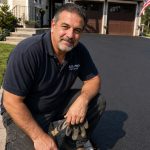
Written by Marcus Delvecchio. Marcus Delvecchio isn't a licensed contractor — he's a handyman and DIY outdoor landscaper who got obsessed with driveways, patios and pavers after redoing his own place badly enough to want to understand why. Twenty years later he spends his weekends on his own projects and on side jobs for neighbours and friends around the mid-Atlantic, and writes up what actually worked, mistakes included. More about this site.
Scope and limits. Marcus is a homeowner who got obsessive about driveways, not a licensed contractor. Structural repair, drainage changes, and anything requiring a permit should go to a licensed contractor.
Verify this against a primary source
Specifics change, and your situation may differ from the one described here. These are the authorities worth checking directly:
- Concrete Masonry & Hardscapes Association — segmental paver installation standards
- National Asphalt Pavement Association — asphalt placement and maintenance guidance
- Portland Cement Association — concrete durability and jointing