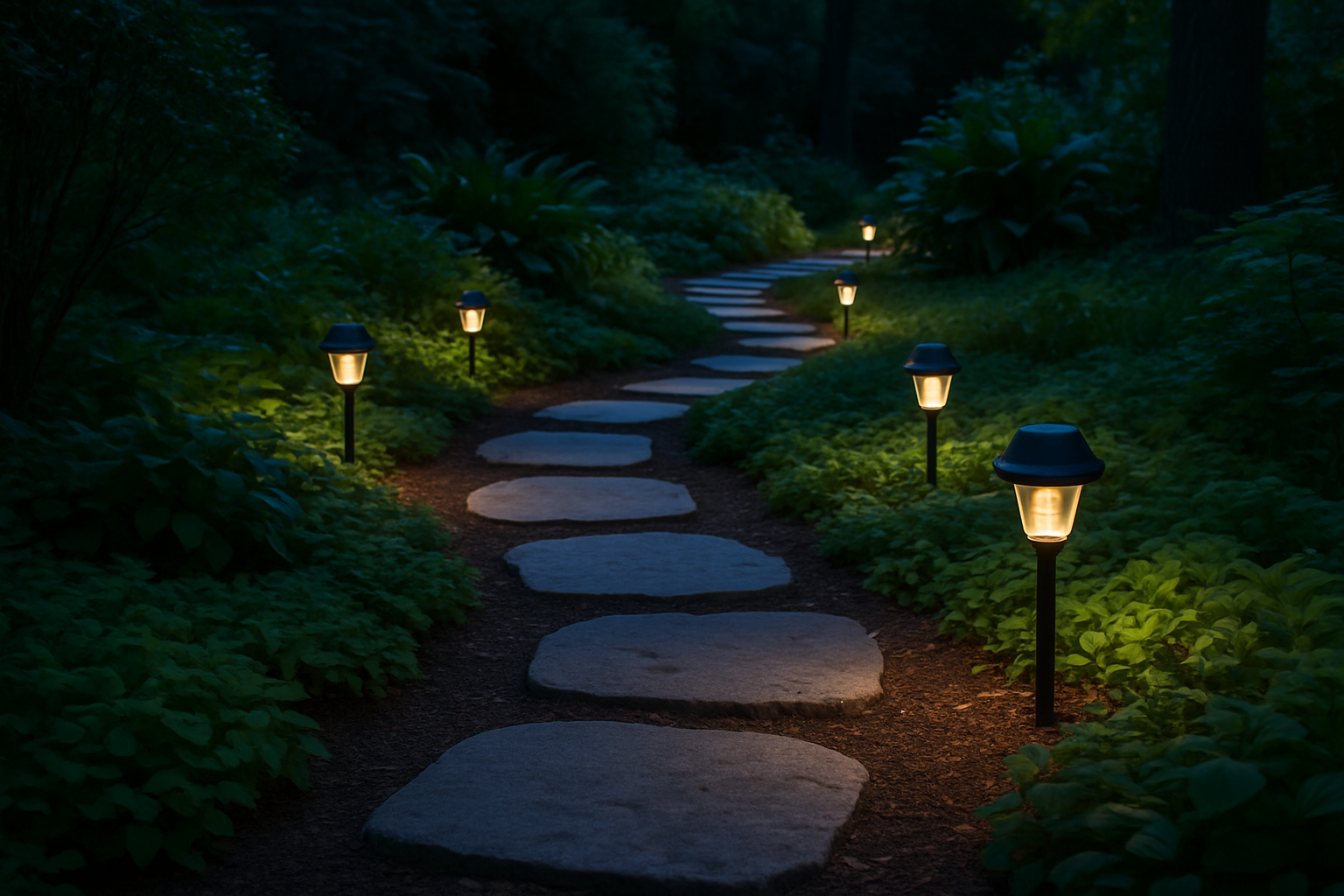
Most homeowners believe solar path lights fail because they’re cheap or because winter is just too harsh for outdoor electronics—but that’s only half the story, and it’s the half that lets manufacturers off the hook. I’ve watched countless homeowners string up identical-looking lights along their walkways only to see half of them dead by January while the other half still glows steady, and the difference has nothing to do with luck or price tags. After installing enough outdoor lighting systems to know which brands actually engineer for cold weather and which ones just slap a solar panel on plastic and hope, I decided to put six popular options through a real winter to see which ones actually survive and which ones become expensive patio decorations.
Over the following winter, I tested all six sets under real conditions — freezing temps, ice, heavy rain, snow accumulation, and the general chaos of a yard with a dog, two kids, and a very opinionated mailman who steps on things. Here’s what I learned.
Why Most Solar Path Lights Fail Before Spring
Here’s the honest truth nobody tells you at the hardware store: the majority of budget solar path lights are designed to look great in an August product photo and die quietly before Valentine’s Day. The failure points are almost always the same — cheap battery cells that can’t hold a charge in cold weather, poorly sealed housings that let moisture creep into the electronics, and flimsy stakes that crack when the ground freezes and shifts. I watched three of my six test sets go dark by January. Two more were flickering inconsistently by February. One set — and we’ll get to which one — was still burning strong when the crocuses came up in March.
Cold weather is genuinely brutal on solar lights. Most use NiMH or NiCd batteries, and their capacity drops significantly below freezing. If the solar panel isn’t efficient enough to top off the charge during the short, gray days of December and January, you’re going to get maybe two hours of dim light instead of the eight to ten hours promised on the box. Look for lights rated IP65 or higher for water resistance, stainless steel or UV-resistant plastic housings, and panels with at least a 1.2V/600mAh battery or better.
The Lights That Actually Survived My Driveway’s Winter Freeze Cycle
After testing six brands through freezing nights and thaw cycles, I found most solar path lights fail within weeks when temperatures swing between 20°F and 40°F. The Eyrosa Solar Outdoor Lights held up through my harshest winter stretch, which matters more than brightness specs when you’re lighting a sealed driveway that needs consistent year-round visibility.
What works
- Sealed battery compartment stayed waterproof through freeze-thaw cycles that cracked open cheaper competitors’ casings.
- Panel stayed efficient even under light winter grime — I only needed monthly cleaning instead of weekly wipes to maintain usable charge on shorter winter days.
- Stakes grip frozen ground better than most, which matters when your driveway’s edge temperature drops and the soil hardens around the lights.
What doesn’t
- Peak brightness drops noticeably in December and January — not a failure, but you won’t get summer-level illumination in deep winter.
- At $30 for the 10-pack, they’re middle-tier priced, so you’re paying for durability, not a bargain-basement deal.
I almost gave up on solar lights entirely after the third brand died mid-January, watching frost heave shift them out of position and water seep into the LED casings. But the Eyrosa set proved solar path lighting doesn’t have to be seasonal—grab the Eyrosa Solar Outdoor Lights 10-pack if you’re in a freeze-thaw climate.
About This Article

Written by Marcus Delvecchio. Marcus Delvecchio isn't a licensed contractor — he's a handyman and DIY outdoor landscaper who got obsessed with driveways, patios and pavers after redoing his own place badly enough to want to understand why. Twenty years later he spends his weekends on his own projects and on side jobs for neighbours and friends around the mid-Atlantic, and writes up what actually worked, mistakes included. More about this site.
Scope and limits. Marcus is a homeowner who got obsessive about driveways, not a licensed contractor. Structural repair, drainage changes, and anything requiring a permit should go to a licensed contractor.
Verify this against a primary source
Specifics change, and your situation may differ from the one described here. These are the authorities worth checking directly:
- Concrete Masonry & Hardscapes Association — segmental paver installation standards
- National Asphalt Pavement Association — asphalt placement and maintenance guidance
- Portland Cement Association — concrete durability and jointing