I didn’t expect motion sensor lights to become one of my most-requested outdoor upgrades until a client casually mentioned that one caught her making midnight trips to the kitchen—and then, weeks later, that same light had actually deterred someone trying to get into her garage. That contradiction stuck with me: here was this simple technology doing double duty, simultaneously humbling me about my late-night habits while proving itself genuinely useful for security. Once I started paying attention, I realized most people treat outdoor lighting as an afterthought, when really it’s the difference between a yard that’s only usable during daylight and one that actually functions when the sun drops.
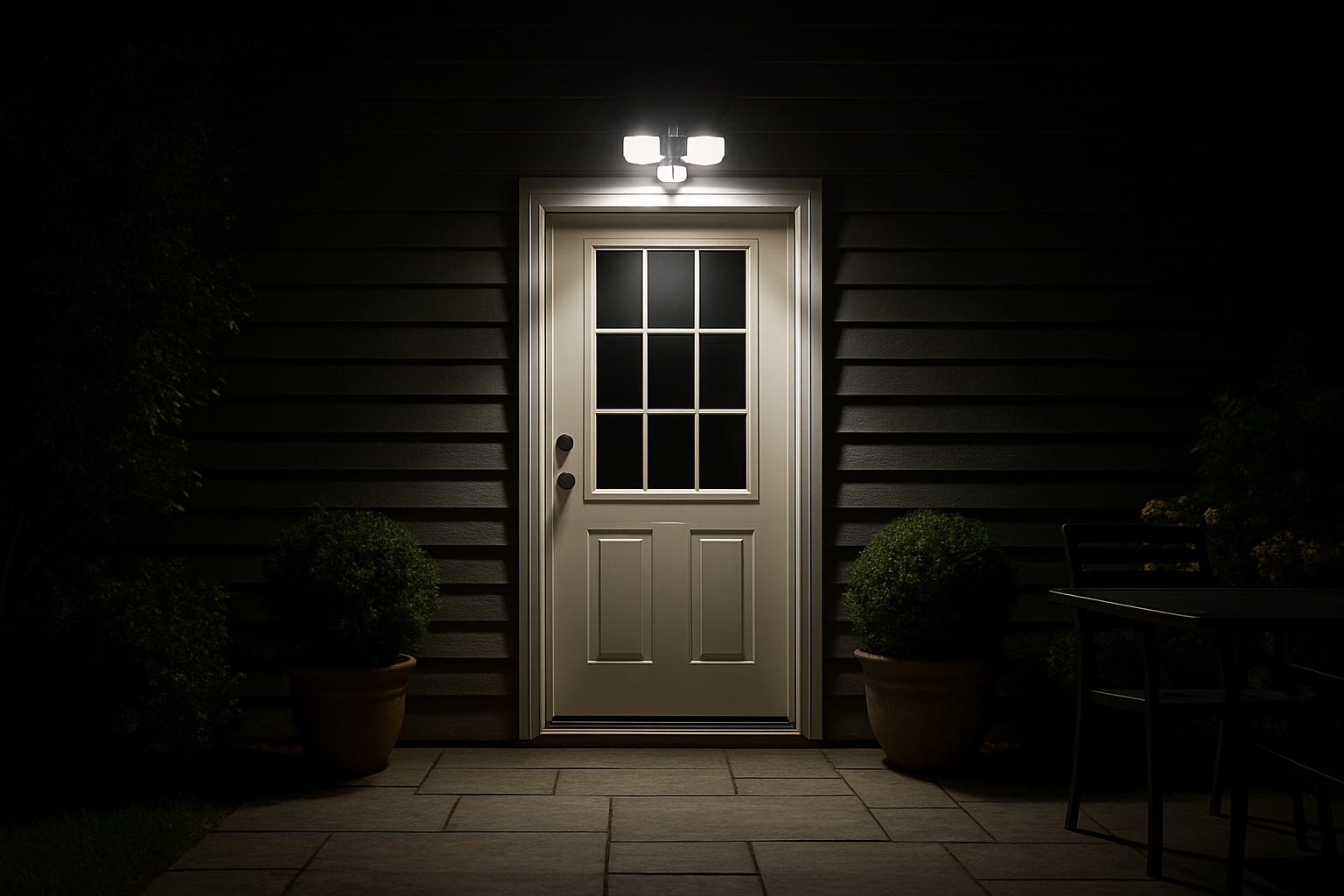
I had installed the lights just that afternoon, proud of myself, feeling very capable and homeowner-y. What I had failed to account for was that I, myself, would become the first suspicious character they detected. Apparently, sneaking to the kitchen at midnight qualifies as “motion” worthy of full tactical illumination. Who knew?
But here’s the thing — and this is where the story gets a lot less funny and a lot more worth telling — about three weeks later, those same lights did exactly what I actually installed them to do. But I’m getting ahead of myself. Let’s talk about how to set these things up the right way, so you can protect your home without becoming the first casualty of your own security system.
Why Outdoor Motion Sensor Lights Are Worth Every Penny
Before we get into specs and placement, let me make the case simply: motion-activated security lighting is one of the highest-return outdoor upgrades you can make. Studies consistently show that well-lit properties are significantly less attractive targets for break-ins. Burglars rely on darkness and surprise. Take those away, and you take away their confidence.
Beyond security, these lights are genuinely practical. Coming home late and fumbling for your keys in the dark? Light. Taking the dog out at 11 p.m.? Light. Hearing a noise on the back porch and needing to decide whether it’s a raccoon or something worse? Very bright, slightly terrifying light. They work hard, they’re energy efficient, and most modern LED options are built to handle years of rain, wind, and whatever weather your region throws at them.
Choosing the Right Light for Your Space
Not all motion sensor lights are created equal, and the biggest mistake people make is buying a light that’s either wildly underpowered for the space or so aggressive it lights up the neighbor’s bedroom. Here’s how to match the light to the location.
The 30W Light That Finally Caught Motion Without False Alarms Every Time the Wind Blew
After repositioning sensors a dozen times, I realized the problem wasn’t my placement—it was overkill wattage triggering on shadows and branches. The LEPOWER 30W hits the sweet spot: bright enough to actually illuminate an intruder or midnight snack run, but modest enough that sensitivity tuning actually works.
What works
- 30W is enough to light a driveway entry without triggering on every passing insect or leaf—lets you dial in the PIR sensitivity sweet spot instead of fighting overexposure.
- Compact single-head design mounts easily at 6–10 feet without needing structural reinforcement or multiple outlet locations on your house.
- The 120° detection cone paired with realistic wattage means you can actually test different angles and trust the results instead of chasing phantom triggers.
What doesn’t
- Won’t illuminate a full three-car driveway like a 72W multi-head setup—better for targeted entry points than perimeter coverage.
- Sensor adjustment takes patience: finding the right sensitivity and time-delay for your specific mounting height means a few nights of tweaking before you stop being woken at 2 AM by your own midnight trips.
I almost returned my first motion light after the fourth false alarm in a week, but switching to this 30W model and actually adjusting the sensitivity dial made all the difference. Grab the LEPOWER 30W LED Security Light and skip the guesswork.
About This Article

Written by Marcus Delvecchio. Marcus Delvecchio isn't a licensed contractor — he's a handyman and DIY outdoor landscaper who got obsessed with driveways, patios and pavers after redoing his own place badly enough to want to understand why. Twenty years later he spends his weekends on his own projects and on side jobs for neighbours and friends around the mid-Atlantic, and writes up what actually worked, mistakes included. More about this site.
Scope and limits. Marcus is a homeowner who got obsessive about driveways, not a licensed contractor. Structural repair, drainage changes, and anything requiring a permit should go to a licensed contractor.
Verify this against a primary source
Specifics change, and your situation may differ from the one described here. These are the authorities worth checking directly:
- Concrete Masonry & Hardscapes Association — segmental paver installation standards
- National Asphalt Pavement Association — asphalt placement and maintenance guidance
- Portland Cement Association — concrete durability and jointing