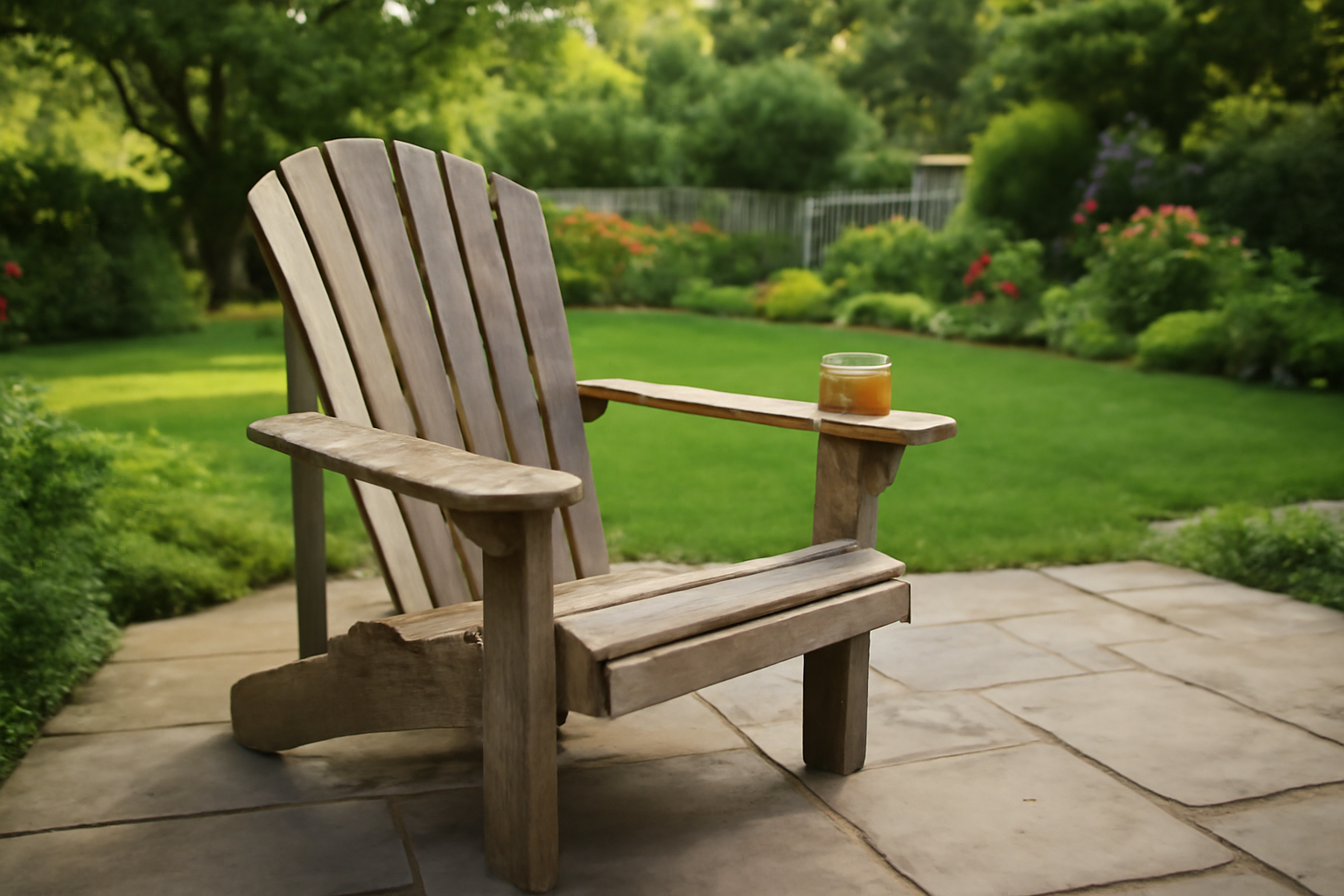
Five years ago, I finished pouring a 400-square-foot flagstone patio behind my house. It took three weekends, a rented plate compactor, and about $1,800 in materials. The wooden Adirondack I tried first looked beautiful for exactly two seasons before the arm cracked from UV exposure and moisture cycles—a $400 lesson in the difference between patio-grade and porch-grade furniture. When it was finally done, I stood there covered in stone dust and realized I had nowhere to sit. That moment kicked off my search for the perfect outdoor seating — and this Adirondack chair outdoor review is the honest result of what I found, tested, and kept through five full seasons.
I’ve built pergolas, laid pavers, mortared retaining walls, and waterproofed more outdoor surfaces than I can count. Furniture, though? That’s where I’ve burned money before. I had a gorgeous cedar Adirondack set that looked incredible in June and looked like driftwood by October. Before that, a powder-coated steel chair that rusted through in two winters. I was done gambling on outdoor furniture.
The Chair That Didn’t Crack, Fade, or Need Refinishing After Five Seasons
After spending three weekends building a flagstone patio, the last thing I wanted was furniture that would deteriorate faster than the pavement underneath it. I tested wood, metal, and plastic Adirondacks over five years, and this HDPE chair is the only one still looking decent without annual maintenance.
What works
- Zero splintering, warping, or seasonal swelling—it sits on my patio year-round without needing to be stored or refinished like wood alternatives.
- Color holds up through intense sun exposure; after five seasons, mine is still solid black with no chalky fade I see on cheaper plastic chairs within two years.
- Cleans with a garden hose and doesn’t trap moisture or mold like fabric cushion chairs do—critical when your patio gets afternoon shade and morning dew.
What doesn’t
- The price is steep compared to wood or generic plastic—expect $300+, which stings if you’re already $1,800 deep into patio materials.
- It’s noticeably heavier than wooden versions, so moving it around the patio or storing it isn’t a one-hand operation.
Five Seasons of Mid-Atlantic Weather
The reason recycled-plastic lumber holds up here is that it does not absorb water, so freeze-thaw has nothing to work on. Mine sat out through five winters without being covered or brought in — no cracking at the fastener points, no splitting along the slats, and the colour has gone perhaps half a shade lighter in the spots that get direct afternoon sun.
What it does do is get hot. On a south-facing patio in July the slats are genuinely uncomfortable by mid-afternoon, which no amount of marketing copy prepares you for. It also holds pollen in the grain texture, so it needs a proper wash each spring rather than a quick wipe.
Cleaning without damaging it
Warm water, dish soap and a soft brush handles almost everything. For the green film that builds up on the shaded side over winter I use a diluted oxygen bleach solution, left for ten minutes and rinsed thoroughly. Pressure washing works but only on a wide fan at low pressure and well back — close in, it will furze the surface permanently.
What to Check Before You Buy
- Weight is the trade-off. These are heavy enough that you will not be rearranging the patio casually, though that is also why they stay put in wind.
- Check the hardware spec. Stainless fasteners are what stop the rust streaks that ruin lighter chairs after two seasons.
- Measure the seat height against your table if you are pairing them. Adirondacks sit low.
- Assembly took me about 25 minutes per chair with a drill. The pilot holes are pre-drilled and worth using rather than driving straight in.
The Cost Argument
I spent five years replacing cheaper chairs roughly every other season before I did the arithmetic. Two rounds of bargain furniture cost more than one chair like this, and I had also spent the weekends buying, assembling and eventually disposing of them. If a chair is going to live outdoors uncovered all year, buying once is the cheaper option even though it does not feel like it at the till.
I almost returned mine after the first winter when I saw the price tag justified by plastic construction—until I pulled it out in spring and found absolutely nothing wrong with it. POLYWOOD Modern Adirondack Chair – All-Weather Outdoor Lawn Adirondack Chairs – HDPE, Fade-Resistant & Durable Outdoor Furniture – For Patio, Deck & Fire Pit Chairs – Black
About This Article

Written by Marcus Delvecchio. Marcus Delvecchio isn't a licensed contractor — he's a handyman and DIY outdoor landscaper who got obsessed with driveways, patios and pavers after redoing his own place badly enough to want to understand why. Twenty years later he spends his weekends on his own projects and on side jobs for neighbours and friends around the mid-Atlantic, and writes up what actually worked, mistakes included. More about this site.
Scope and limits. Marcus is a homeowner who got obsessive about driveways, not a licensed contractor. Structural repair, drainage changes, and anything requiring a permit should go to a licensed contractor.
Verify this against a primary source
Specifics change, and your situation may differ from the one described here. These are the authorities worth checking directly:
- Concrete Masonry & Hardscapes Association — segmental paver installation standards
- National Asphalt Pavement Association — asphalt placement and maintenance guidance
- Portland Cement Association — concrete durability and jointing