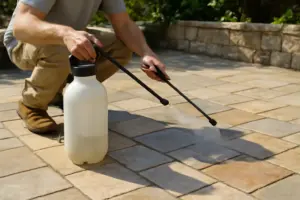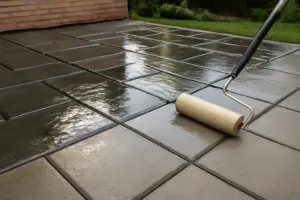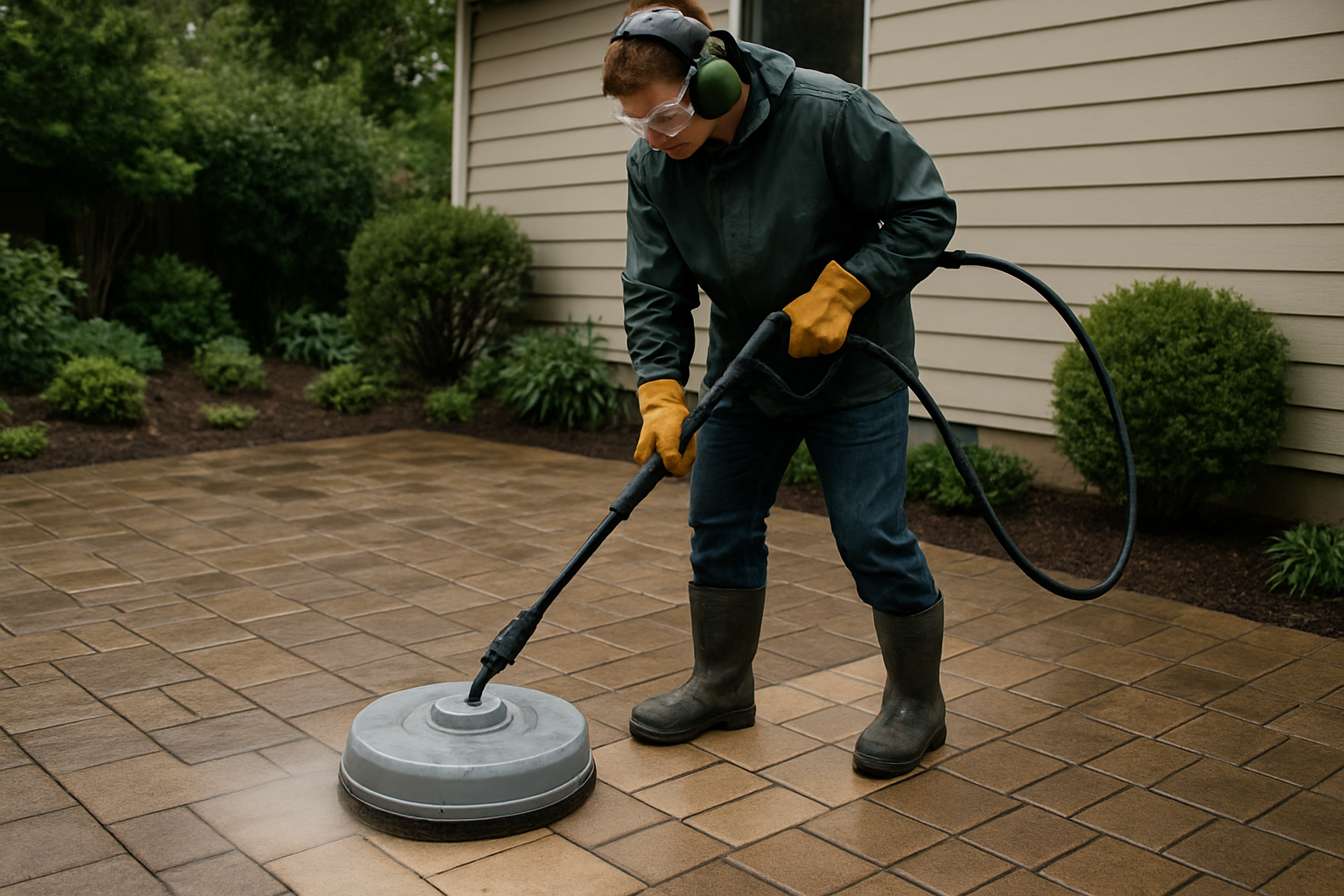
My own paver walkway taught me a hard lesson the summer I skipped the pressure washer step before sealing—by year three, weeds were threading through every joint and the surface had this grimy, neglected look that no amount of sweeping could fix. I realized then that sealing pavers without proper prep is like painting a dirty wall; you’re just trapping the problem underneath. That’s when I stopped treating pressure washing as optional grunt work and started seeing it as the critical foundation that makes sealing actually work. Now, before I touch a sealer to my own outdoor surfaces, I rent a washer and do it right—and the difference between those sealed-and-prepped areas and the ones I cut corners on is night and day.
How I Ended Up Soaking Wet at 9 AM on a Saturday
It started innocently enough. My backyard patio pavers had gone from a nice warm tan to a sad, mottled gray over about four years. Weeds were poking up through the joints, a mysterious green film had colonized the shady corner near the fence, and honestly the whole thing looked like something archaeologists would unearth rather than something people sat on to enjoy lemonade. I’d done my research — I knew I needed to clean everything thoroughly before applying sealer. Simple enough, right?
I rented a gas-powered pressure washer from the local hardware store. A big, angry red machine that the rental guy described as “pretty straightforward.” Reader, it was not straightforward. I didn’t know about the choke. I didn’t know you had to squeeze the trigger before pulling the cord or the pressure would build up and make starting nearly impossible. I also didn’t know that pointing the wand at the paver directly in front of your feet at full blast would send a rooster tail of filthy water straight back into your face. I learned all of these things within the first four minutes.
My neighbor’s Labrador, who had been watching all of this from the fence line with what I can only describe as growing concern, eventually retreated to the far side of her yard. Smart dog.
Why Pressure Washing Pavers Before Sealing Is Non-Negotiable
Once I got the chaos under control — and changed my shirt — I actually started to see why this step matters so much. Sealer bonds to the surface of the paver. If that surface is coated in algae, dirt, efflorescence, or old sealer residue, you’re essentially laminating the grime in place. The new sealer won’t penetrate properly, it won’t cure evenly, and within a season you’ll see peeling, bubbling, and blotchy discoloration. Everything you were trying to prevent.
Here’s what the cleaning process should actually accomplish before you open a single can of sealer:
- Remove biological growth — algae, moss, mildew, and lichen all need to go completely. These aren’t just cosmetic; they leave an oily residue that repels sealer.
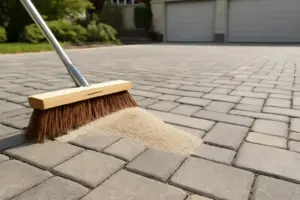
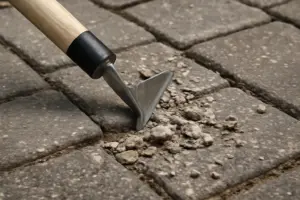
- Clear out joint sand — high-pressure water will wash out loose or degraded polymeric sand from the joints. That’s actually fine — you’ll replace it before sealing anyway.
- Dissolve efflorescence — that white chalky haze is mineral salt migration. It needs to be scrubbed or treated with a diluted muriatic acid wash before pressure rinsing.
- Strip old sealer — if your previous sealer is failing, use a chemical stripper first, then pressure wash. Don’t skip this step or you’ll be doing the whole job over again in two years.
- Achieve an open pore surface — pavers need to be clean down to the aggregate level so the new sealer can actually penetrate and lock in.
After washing, give your pavers a full 24 to 48 hours to dry — longer if the weather is humid or cool. Sealing over damp pavers traps moisture underneath and causes that milky, cloudy appearance that’s a nightmare to fix.
The Surface Cleaner That Finally Stopped Me From Stripping Pavers Into Oblivion
When you’re renting pressure washers blind, you end up with either a handheld wand that leaves streaks or a setup that blasts pavers like you’re angry at them. A proper surface cleaner attachment is the difference between a professionally prepped driveway and a patchy nightmare waiting to happen.
What works
- The four wheels glide over uneven pavers without tipping or digging in, which means you actually get consistent pressure across the entire surface instead of chasing low spots with a wand.
- At 14 inches wide, it covers ground fast enough to finish before rental costs pile up, but stays compact enough to maneuver around the edges and tight corners where handheld work still matters.
- The stainless steel deck won’t rust or degrade after sitting in a garage between jobs, so you’re not babysitting equipment or worrying about corrosion eating into your rental deposit.
What doesn’t
- It’s not lightweight—at full water capacity, maneuvering it on a slope takes more muscle than you’d expect, especially if your patio has a grade steeper than a gentle slope.
- You still need a pressure washer with enough flow rate (usually 2.0+ GPM) to feed it properly, so if you grab an underpowered rental, this attachment just sits there gurgling instead of cleaning.
I nearly walked away from a rental checkout when I saw the price tag on surface cleaners, convinced I could just tough it out with a wand—until I realized I’d already etched pale streaks into half my driveway that no sealer was going to hide. That’s when I picked up the 14″ Stainless Steel Surface Cleaner with 4 Wheels (PWS14) and actually finished the job right.
About This Article

Written by Marcus Delvecchio. Marcus Delvecchio isn't a licensed contractor — he's a handyman and DIY outdoor landscaper who got obsessed with driveways, patios and pavers after redoing his own place badly enough to want to understand why. Twenty years later he spends his weekends on his own projects and on side jobs for neighbours and friends around the mid-Atlantic, and writes up what actually worked, mistakes included. More about this site.
Scope and limits. Marcus is a homeowner who got obsessive about driveways, not a licensed contractor. Structural repair, drainage changes, and anything requiring a permit should go to a licensed contractor.
Verify this against a primary source
Specifics change, and your situation may differ from the one described here. These are the authorities worth checking directly:
- Concrete Masonry & Hardscapes Association — segmental paver installation standards
- National Asphalt Pavement Association — asphalt placement and maintenance guidance
- Portland Cement Association — concrete durability and jointing